
Thiruvananthapuram / New Delhi:
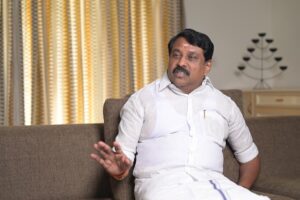
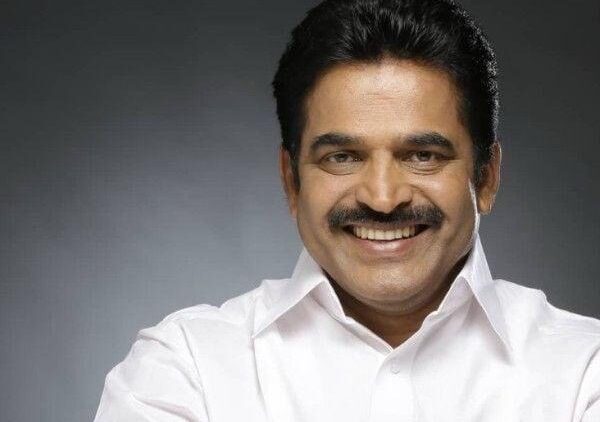
In Indian politics, where visibility often defines influence, K. C. Venugopal has built his stature not through rhetoric, but through organisation, resilience, and a deep-rooted connection with grassroots workers. As AICC General Secretary in charge of organisation and a close aide of Rahul Gandhi, Venugopal today stands as one of the most influential figures shaping the Congress party’s internal structure and electoral strategy.
Born in Payyannur in Kannur, Venugopal’s political journey began in the charged atmosphere of student activism. Rising through the ranks of the Kerala Students Union (KSU), he went on to become its State President at a time when campus politics in Kerala was marked by intense ideological clashes and street-level mobilisation. His tenure was defined by confrontation and courage, as he faced repeated police action, including severe lathicharges and what many described as excesses against student protesters. These early experiences shaped his political character, grounding him firmly in struggle and organisational discipline.
He later assumed leadership as the State President of the Kerala Youth Congress, further expanding his influence among young political workers and strengthening his organisational credentials. Transitioning into electoral politics, Venugopal was elected as a Member of the Kerala Legislative Assembly and went on to serve as a minister in the government led by Oommen Chandy. Even in government, he maintained a reputation as a low-profile but effective administrator, while continuing to remain accessible to party workers.
His entry into national politics came with his election to the Lok Sabha from Alappuzha, marking a significant step in his political journey. During the tenure of Prime Minister Manmohan Singh, Venugopal served as Minister of State for Power and later as Minister of State for Civil Aviation. In both roles, he was known more for his administrative clarity and steady execution than for public visibility, reinforcing his image as a dependable organisational leader.
Venugopal’s rise within the Congress organisation culminated in his appointment as AICC General Secretary in charge of organisation, a position that places him at the core of the party’s decision-making apparatus. In this role, he oversees coordination between the central leadership and state units, plays a key part in candidate selection, manages alliance negotiations, and handles internal challenges within the party. Despite the scale of his responsibilities, he continues to function with the mindset of a grassroots worker.
What distinguishes Venugopal is his enduring connection with party workers, particularly in Kerala. Even while operating from New Delhi, he is known to maintain close contact with Congress cadres across constituencies, staying attuned to local political realities. His accessibility and responsiveness have made him a vital link between the party high command and the grassroots base. Within Kerala, he remains a central figure in shaping the strategy of the Congress-led United Democratic Front (UDF), helping navigate internal dynamics and strengthen organisational cohesion.
From facing police batons as a student leader to steering the organisational machinery of a national party, Venugopal’s journey reflects a steady climb built on discipline, loyalty, and political endurance. In a period when the Congress is seeking to rebuild and reassert itself, leaders like K. C. Venugopal represent continuity and structure—quietly but decisively shaping the party’s path forward.