A renewed debate over the United States’ foreign policy in the Middle East has emerged, with analysts questioning whether diplomatic engagement alone can effectively manage relations with Iran and other ideological regimes in the region.
The discussion has been reignited by reflections on the 2015 nuclear agreement brokered under former U.S. President Barack Obama. The deal, formally known as the Joint Comprehensive Plan of Action (JCPOA), was built on the premise that structured diplomacy, mutual commitments, and international oversight could limit Iran’s nuclear ambitions. Supporters viewed it as a landmark step toward stability, while critics argue it underestimated the complexities of regional political behavior.
Observers critical of the agreement suggest that the U.S. approach reflected a broader cultural misreading of the Middle East, where perceptions of power, deterrence, and strategic intent often outweigh formal agreements. According to this view, gestures intended as diplomatic goodwill may be interpreted differently within regional political frameworks, sometimes even as signs of weakness.
These arguments have gained traction amid concerns over Iran’s nuclear progress in recent years. Analysts warn that Tehran has moved closer to nuclear threshold capability, raising fears about regional security and the effectiveness of earlier diplomatic efforts. Critics contend that without sustained pressure, agreements risk becoming tools of convenience rather than binding commitments.
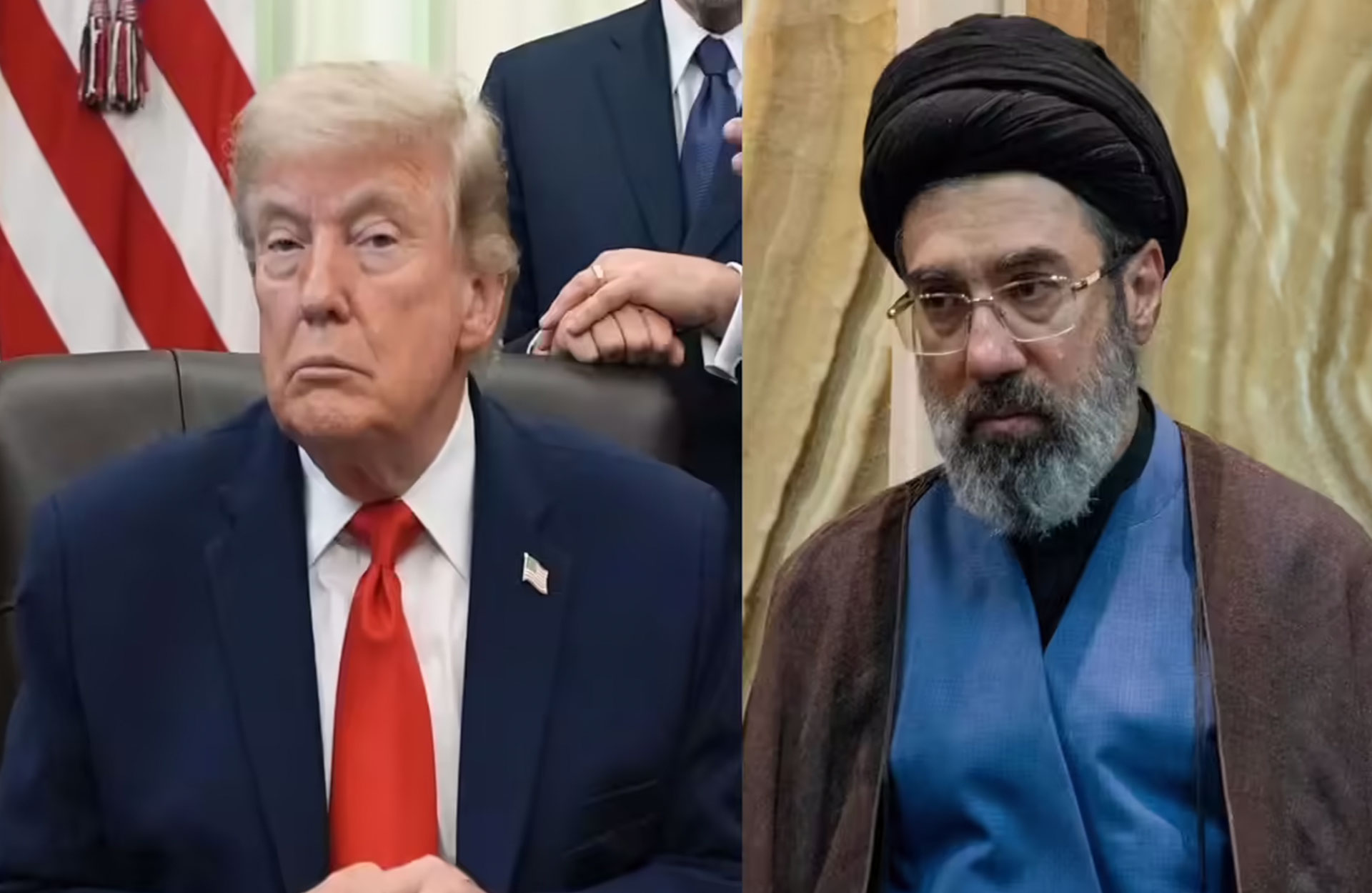
In contrast, the approach of former President Donald Trump is often cited as an example of a more deterrence-driven strategy. His administration withdrew from the JCPOA and adopted a “maximum pressure” campaign, combining economic sanctions with strong rhetoric. Proponents argue that such unpredictability and firmness created a clearer deterrent signal, compelling adversaries to act more cautiously.
The broader lesson emerging from this debate, analysts say, is the need for a deeper understanding of regional dynamics when crafting foreign policy. While diplomacy remains a critical tool, it may need to be reinforced by credible deterrence to ensure compliance and stability.
As tensions persist, the question facing policymakers is whether a balance can be struck between negotiation and strength — or whether, in the Middle East’s complex strategic environment, deterrence will continue to dominate over idealism.
(Oren Ravid, Head of Operational Intelligence, Threat Studies Group)