Chennai, Aug 5 (IANS)
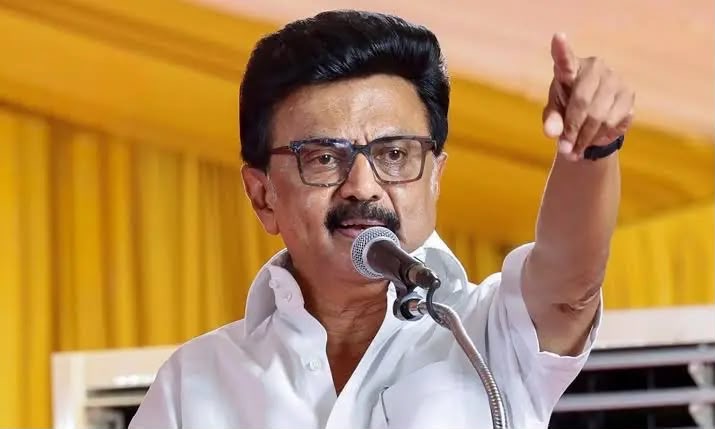
DMK president and former Tamil Nadu Chief Minister M.K. Stalin on Wednesday launched a sharp attack on the TVK government’s maiden Budget, describing it as a “damp squib” that lacked originality and failed to deliver on key electoral promises.
Reacting to the Revised Budget Estimates for 2026-27 presented in the Assembly, Stalin said people had expected major announcements from the new government but were left disappointed.
“People expected it to be a ‘blast’, but it turned out to be a ‘waste’. It is a remake of the ‘Dravidian Model’ government’s Budget,” Stalin said in a social media post.
The DMK chief accused the TVK administration of repackaging schemes introduced by the previous DMK government while failing to offer a clear long-term development roadmap for Tamil Nadu.
Stalin said the Budget had not adequately addressed major concerns facing the State, including problems confronting farmers, electricity consumption billing and the rising cost of living.
He also questioned the absence of financial commitments for several promises made by the TVK during the Assembly election campaign, including ₹2,500 assistance for women, ₹4,000 for unemployed youth, six free LPG cylinders and a complete waiver of crop loans.
Leader of the Opposition and former Deputy Chief Minister Udhayanidhi Stalin echoed the criticism, alleging that several initiatives of the previous DMK government had simply been renamed and presented as new schemes.
Speaking to reporters at the Secretariat after the Budget presentation, Udhayanidhi said the DMK would closely examine the allocations and raise the government’s unfulfilled electoral commitments during the Assembly proceedings.
He also referred to his police detention on Tuesday in connection with a case over remarks allegedly made during a protest in Thanjavur.
The DMK has accused the government of using the police action to curb the Opposition ahead of the Budget session.
The criticism has set the stage for a political confrontation in the Assembly over the TVK government’s spending priorities, welfare commitments and implementation of its election promises.