By Prof. Richard Hay (Former MP)
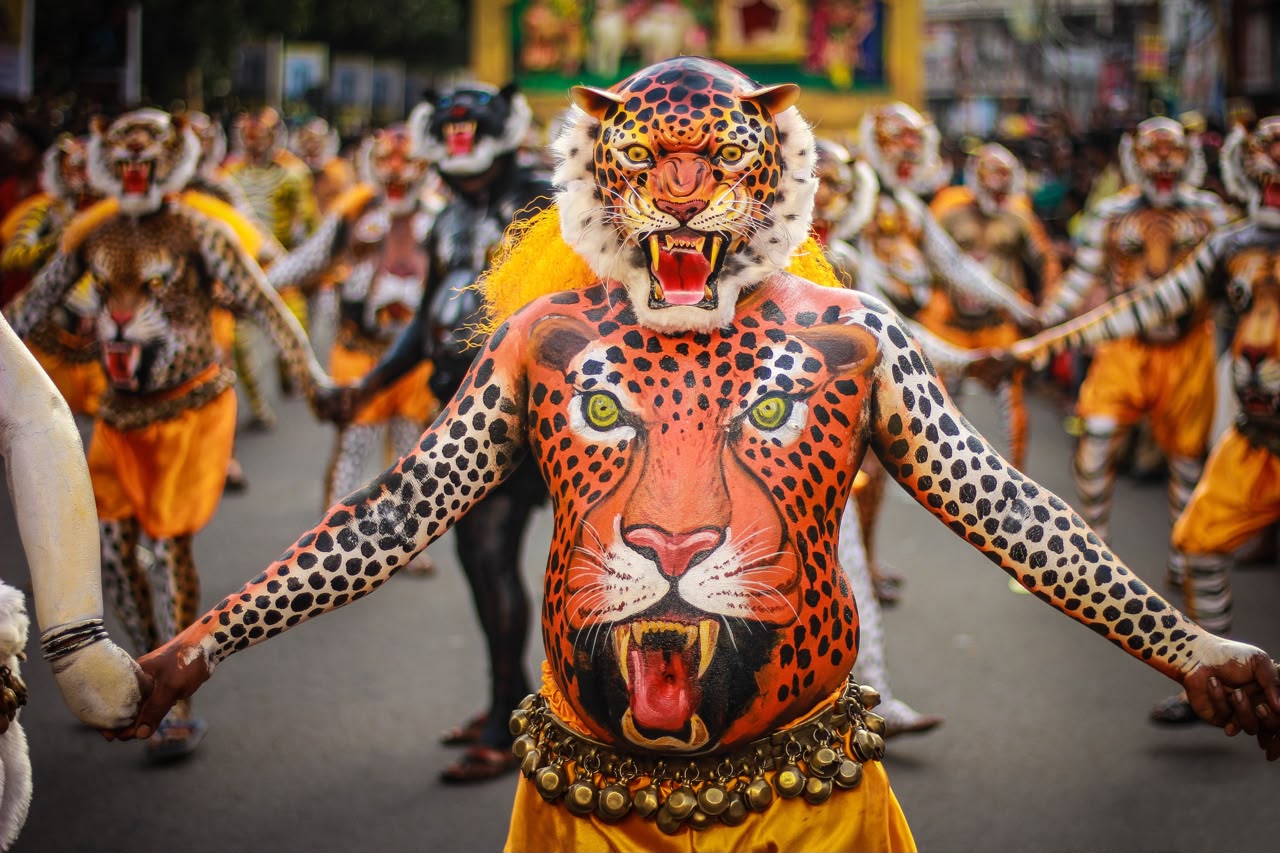
Pulikkali, one of Kerala’s most colourful and popular traditional art forms, must receive greater recognition and sustained institutional support as a proud symbol of the State’s cultural heritage.
Closely associated with Thrissur, the folk performance combines elaborate body painting, vibrant costumes, rhythmic percussion and energetic dance movements. During the festive season, thousands of spectators gather in the city to watch performers transform themselves into tigers and take to the streets.
The event attracts visitors not only from across Kerala but also from other parts of India and abroad. Pulikkali should therefore be viewed not merely as a local celebration, but as a valuable cultural asset capable of strengthening Kerala’s tourism profile.
The art form reflects Kerala’s folk traditions, community life and celebratory spirit. Its survival through generations is a tribute to the artists, organisers and neighbourhood groups that have preserved it despite changing lifestyles and the growing influence of modern entertainment.
Pulikkali performers undertake physical effort. Painting the entire body, wearing demanding costumes and performing for hours amid heat and large crowds require stamina, skill and commitment. Their contribution deserves financial assistance, fair remuneration, training facilities, healthcare, safety measures and improved infrastructure.
Government departments, local bodies and cultural organisations must work together to safeguard the tradition. Schools and colleges should create greater awareness of Kerala’s traditional arts and encourage young people to engage with them. Such efforts can ensure that Pulikkali remains a living heritage passed on to future generations.
Pulikkali should feature more prominently in Kerala’s international cultural campaigns alongside Kathakali, Theyyam and Mohiniyattam. It can also become an integral part of Thrissur’s cultural branding.
Protecting traditional art is not simply about preserving the past; it is about defending cultural identity and the inheritance of future generations. The artists and communities keeping Pulikkali alive deserve gratitude, recognition and support.