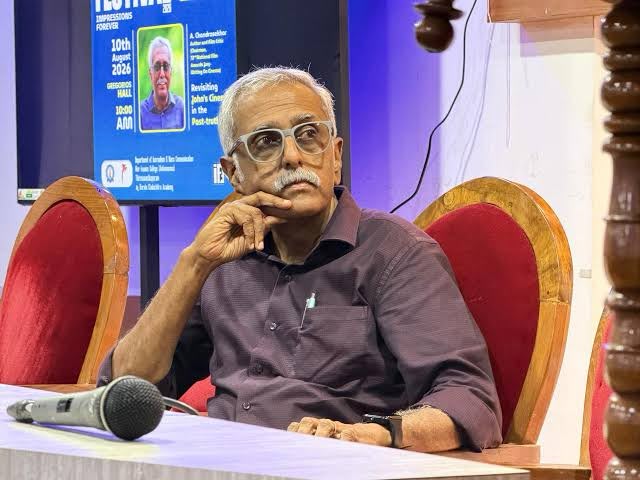
A. Chandrashekhar
For the past three months, I have been travelling weekly on the Vande Bharat between Ernakulam and Thiruvananthapuram. Its cleanliness, comfort and shorter travel time deserve appreciation, although the seat design can sometimes cause discomfort during longer journeys.
My concern, however, is about an environmentally significant issue—the needless wastage of packaged drinking water.
As part of its airline-style service, the Railways provides every passenger with a newspaper and a one-litre bottle of packaged water. Even passengers boarding at intermediate stations receive a fresh bottle.
Many travellers open the bottle, take a few sips and leave the rest behind when they alight. A passenger travelling from Thiruvananthapuram to Kollam may not need an entire litre. Yet, once opened and abandoned, the bottle and the remaining purified water must be discarded.
This is unacceptable when clean drinking water remains inaccessible to millions. It also adds to the environmental burden created by single-use plastic bottles.
Kerala’s restaurants once routinely served every customer a filled glass of water. Much of it went untouched and was later poured away. Many restaurants subsequently began placing a jug and empty glasses on tables, enabling customers to take only what they needed.
The Railways could similarly provide water on request. Alternatively, half-litre bottles could be distributed initially, with additional water supplied when required.
The most practical solution would be to introduce water preferences during ticket booking. Along with meal choices, passengers could select “no bottle”, “half litre” or “one litre”.
Such a system could prevent at least 40 per cent of the present wastage while reducing plastic consumption and unnecessary expenditure. A bottle of packaged water costs up to ₹20, but its true environmental value is far greater.
Passengers, too, must behave responsibly. Wasting purified drinking water is not merely carelessness; it reflects a disturbing lack of concern for nature and society.
(The author, A. Chandrashekhar, is a noted film critic, writer, teacher and journalist. Courtesy his post on FB )