Bengaluru, Nov 6:
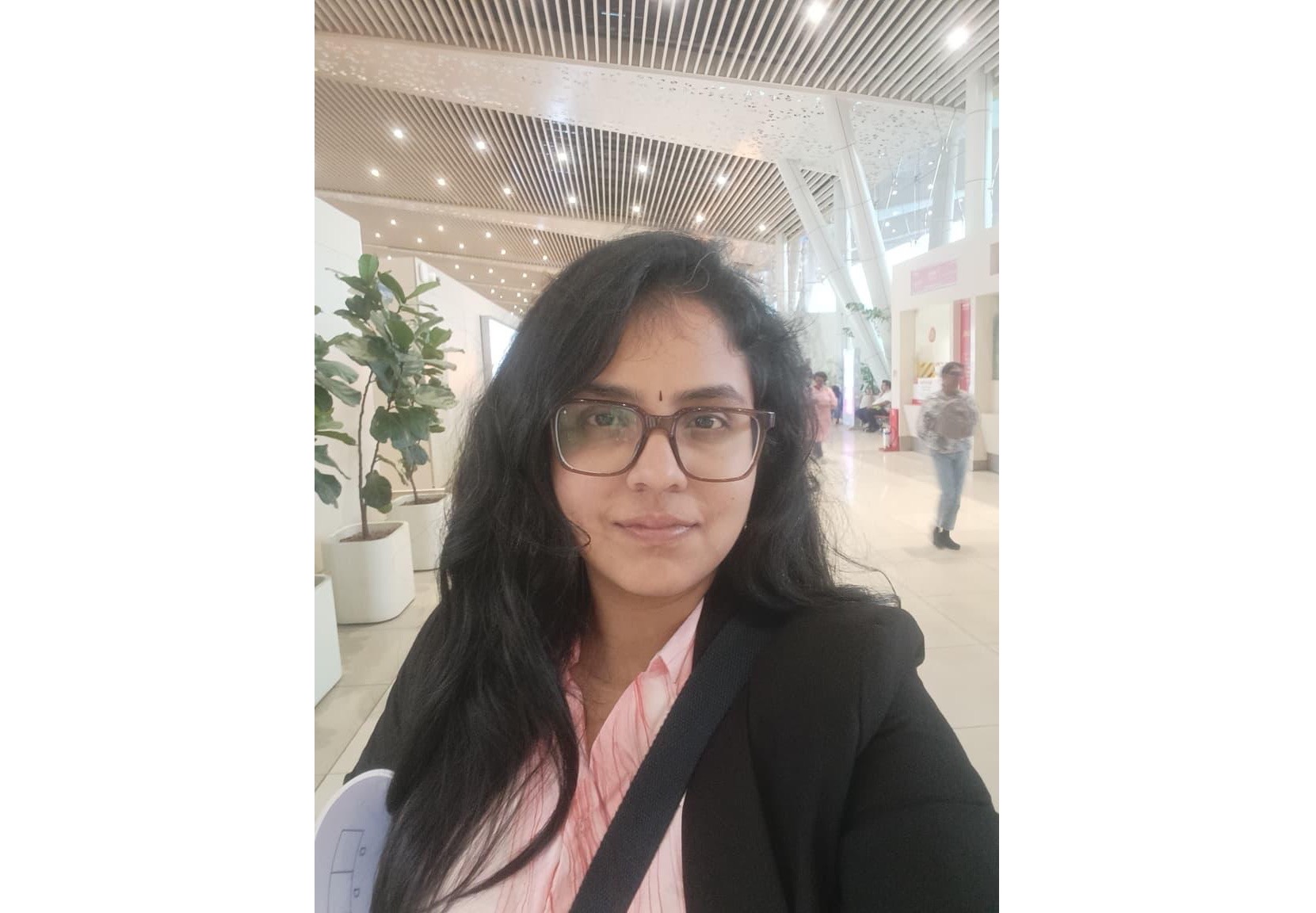
Indian Institute of Science (IISc) scientist Dr Preethi Arul Murugan is developing biodegradable medical implants that could transform the treatment of urinary incontinence and pelvic organ prolapse, two conditions affecting millions of women worldwide.
Dr Preethi, a DST INSPIRE Faculty Fellow at IISc Bengaluru, is working on biodegradable surgical tapes and pelvic floor meshes designed to provide temporary support to weakened tissues while promoting natural regeneration.
Unlike conventional permanent synthetic implants, the new devices are intended to gradually dissolve after fulfilling their purpose, potentially reducing complications such as chronic inflammation, infection, pain and mesh erosion.
The research assumes significance amid growing concerns over the safety of certain permanent surgical meshes. In 2019, the US Food and Drug Administration ordered manufacturers to stop selling surgical meshes intended for transvaginal repair of pelvic organ prolapse.
Dr Preethi began her research during her doctoral studies at IIT Bombay under Professor Jayesh R. Bellare, developing a nanofibrous mesh using polycaprolactone, a biodegradable polymer designed to mimic vaginal wall tissue.
The innovation resulted in Indian Patent No. 469385, granted in November 2023, and a research publication in the international journal Biomedical Materials in 2025.
The technology subsequently underwent preclinical evaluations involving rabbits and pigs to assess tissue compatibility, biological responses and implant integration.
In April 2026, Dr Preethi conducted cadaver-based evaluations of the prolapse mesh at a medical workshop in Maharashtra. An agreement with Mumbai’s KEM Hospital for safety trials followed in June.
A chemical engineering graduate of Pondicherry Engineering College, she completed her M.Tech at IIT Guwahati and PhD at IIT Bombay before pursuing postdoctoral research.
She joined IISc in July 2025 and is also co-founder of Nuvelle Approche Private Limited, which focuses on translating scientific innovations into medical applications.
Supported by research and innovation funding programmes, Dr Preethi aims to develop affordable, clinically validated medical devices.
If successfully translated into clinical practice, the technology could strengthen India’s indigenous medical-device industry while offering safer treatment alternatives for women suffering from pelvic floor disorders.