Thiruvananthapuram, Nov 8:
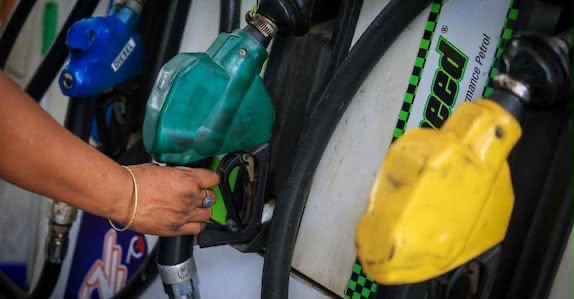
Amid growing concerns over the ethanol content in petrol sold across the country, the Keralam government has ordered laboratory testing of fuel samples from four districts to ascertain whether oil marketing companies are complying with the prescribed blending standards under the Centre’s E20 fuel programme.
Food and Civil Supplies Minister Anoop Jacob issued directions to the Commissioner of Civil Supplies and Consumer Affairs to initiate the testing process following discussions with Chief Minister V D Satheesan.
The government has decided to collect petrol samples from selected retail outlets in Thiruvananthapuram, Ernakulam, Kozhikode and Kannur districts. The samples will undergo scientific examination to determine whether the ethanol content exceeds the permissible limits.
Jacob said the government would initiate stringent action against those responsible if the tests revealed violations of the prescribed fuel quality standards.
The testing will be carried out at laboratories accredited by the National Accreditation Board for Testing and Calibration Laboratories (NABL). Officials said forensic laboratories also had the necessary infrastructure and technical expertise to examine ethanol concentrations in petrol.
The state government’s intervention comes amid an escalating controversy over the implementation of the E20 fuel programme, which mandates blending petrol with 20 per cent ethanol.
The issue gained prominence following allegations by the Karnataka government that petrol being supplied to consumers contained ethanol beyond the permissible level.
However, the Union Petroleum Ministry has rejected the allegations, maintaining that laboratory examinations conducted across the country have established compliance with the prescribed blending specifications.
According to the ministry, tests conducted on 893 petrol samples collected from 27 states revealed ethanol concentrations ranging from 19 to 21 per cent. The Centre maintained that the results were consistent with the applicable specifications under the E20 programme.
Oil marketing companies have also disputed the findings cited by Karnataka authorities, raising questions about the methodology adopted for determining ethanol concentrations in petrol.
The controversy has also triggered a political confrontation, with Leader of the Opposition in the Lok Sabha Rahul Gandhi questioning the credibility of the Centre’s testing exercise.
Describing the E20 rollout as a “420 scam”, Gandhi accused the Union government of imposing an additional burden on motorists through its ethanol blending policy.
The Congress leader alleged that ordinary vehicle owners were being forced to bear the consequences of a policy whose implications for consumers had not been adequately addressed.
The Centre, however, has defended the ethanol blending programme as an important initiative aimed at reducing dependence on imported crude oil, promoting alternative fuels and supporting domestic ethanol production.
With conflicting claims emerging over fuel quality, Keralam’s decision to conduct an independent examination is expected to bring greater scrutiny to the implementation of the E20 programme.
The findings from the four districts could also determine whether the state government needs to initiate further inspections or regulatory action against fuel suppliers.
For now, the government is awaiting the laboratory results before deciding on its next course of action.