Chennai, August 22
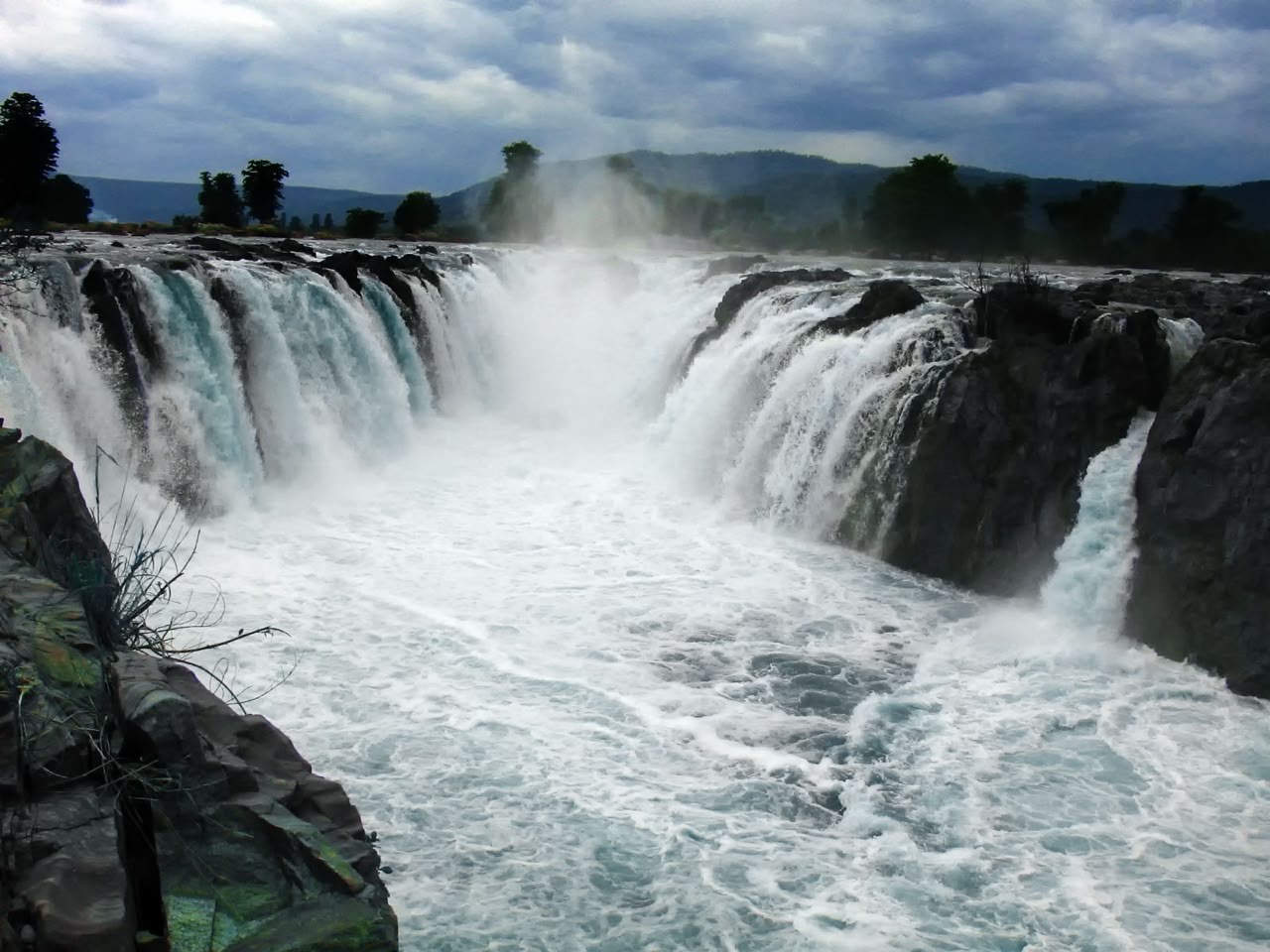
The inflow into the Cauvery at Hogenakkal rose to 12,000 cusecs on Saturday following sustained water releases from Karnataka’s Krishnarajasagar (KRS) and Kabini reservoirs.
The flow, which stood at 10,000 cusecs at 6 a.m., increased by 2,000 cusecs later in the day. The Dharmapuri district administration has suspended coracle operations at Hogenakkal as a precautionary measure amid the increased inflow.
Central Water Commission officials are monitoring the flow at Biligundlu on the Tamil Nadu-Karnataka border, where Cauvery water entering Tamil Nadu is measured.
The increase at Hogenakkal followed a combined discharge of 14,940 cusecs from the two Karnataka reservoirs. While KRS was releasing 2,000 cusecs, the outflow from Kabini stood at 12,940 cusecs.
The water level in the KRS reservoir, located near Kannambadi in Karnataka’s Mandya district, stood at 108.95 feet at 8 p.m. on Friday against its maximum level of 124.80 feet. The reservoir was receiving 1,551 cusecs and releasing 2,000 cusecs.
Kabini reservoir, built across the Kapila River near Beechanahalli in Mysuru district, has maintained substantial releases following directions from the Cauvery Water Management Authority.
Around 4.95 thousand million cubic feet (TMC) of water was released from Kabini towards Tamil Nadu during the nine days between August 13 and Friday. The sustained discharge caused its water level to fall by nearly seven feet.
Kabini’s level declined from 2,282 feet on August 13 to 2,275.56 feet on Friday morning, against its maximum elevation of 2,284 feet. It had a storage of about 14.57 TMC against its total capacity of 19.52 TMC.
The reservoir was receiving 7,184 cusecs, significantly lower than its discharge of 12,940 cusecs.
Authorities are continuing to monitor the Cauvery’s flow at Hogenakkal and other points. Restrictions on coracle rides are expected to remain in place until the flow recedes to safer levels.