Salem ,Sept 1
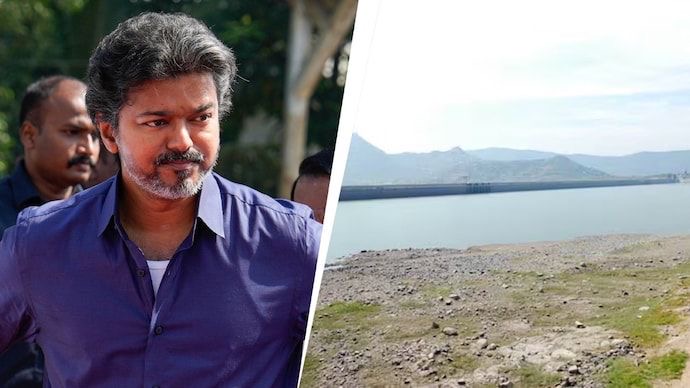
Tamil Nadu Chief Minister Vijay will release water from the Mettur dam on Tuesday for irrigation in the Cauvery delta, bringing relief to thousands of farmers who have been awaiting adequate supplies for the cultivation season.
The Mettur dam is the main source of irrigation for nearly 16 lakh acres of agricultural land spread across 13 districts, including Salem, Erode, Namakkal, Karur, Tiruchy, Thanjavur, Tiruvarur, Perambalur, Nagapattinam, Pudukkottai, Cuddalore and Mayiladuthurai.
Water is normally released from the dam on June 12 every year to support kuruvai cultivation in the delta. However, the government was unable to open the dam on schedule this year because of inadequate rainfall in the Cauvery catchment areas and the low storage level in the reservoir.
The situation improved following sustained rainfall in Karnataka over the past two weeks. The Kabini and Krishnaraja Sagar reservoirs received substantial inflows, prompting Karnataka authorities to discharge surplus water into the Cauvery. This, in turn, increased the flow into the Mettur reservoir.
The inflow into the dam recently rose from 9,035 cubic feet per second to 10,485 cusecs, leading to a gradual improvement in its storage. The rise in the water level enabled the Tamil Nadu government to take a decision on releasing water for delta irrigation.
Vijay is scheduled to operate the sluice gates at Mettur and formally begin the release. Ministers, senior officials from the Water Resources Department and representatives of farmers’ organisations are expected to attend the event.
The initial discharge is likely to be regulated based on the inflow into the reservoir, storage availability and irrigation requirements in the delta districts. Officials will continuously monitor the water position before increasing the quantum of release.
Farmers have welcomed the decision but urged the government to ensure uninterrupted and equitable distribution of water through the Cauvery network. They have also sought the desilting of canals and the removal of obstructions to ensure that water reaches tail-end areas without delay.
The release is expected to revive cultivation activities across the delta after uncertainty caused by the delayed opening of the dam.