Thiruvananthapuram,Sept 13
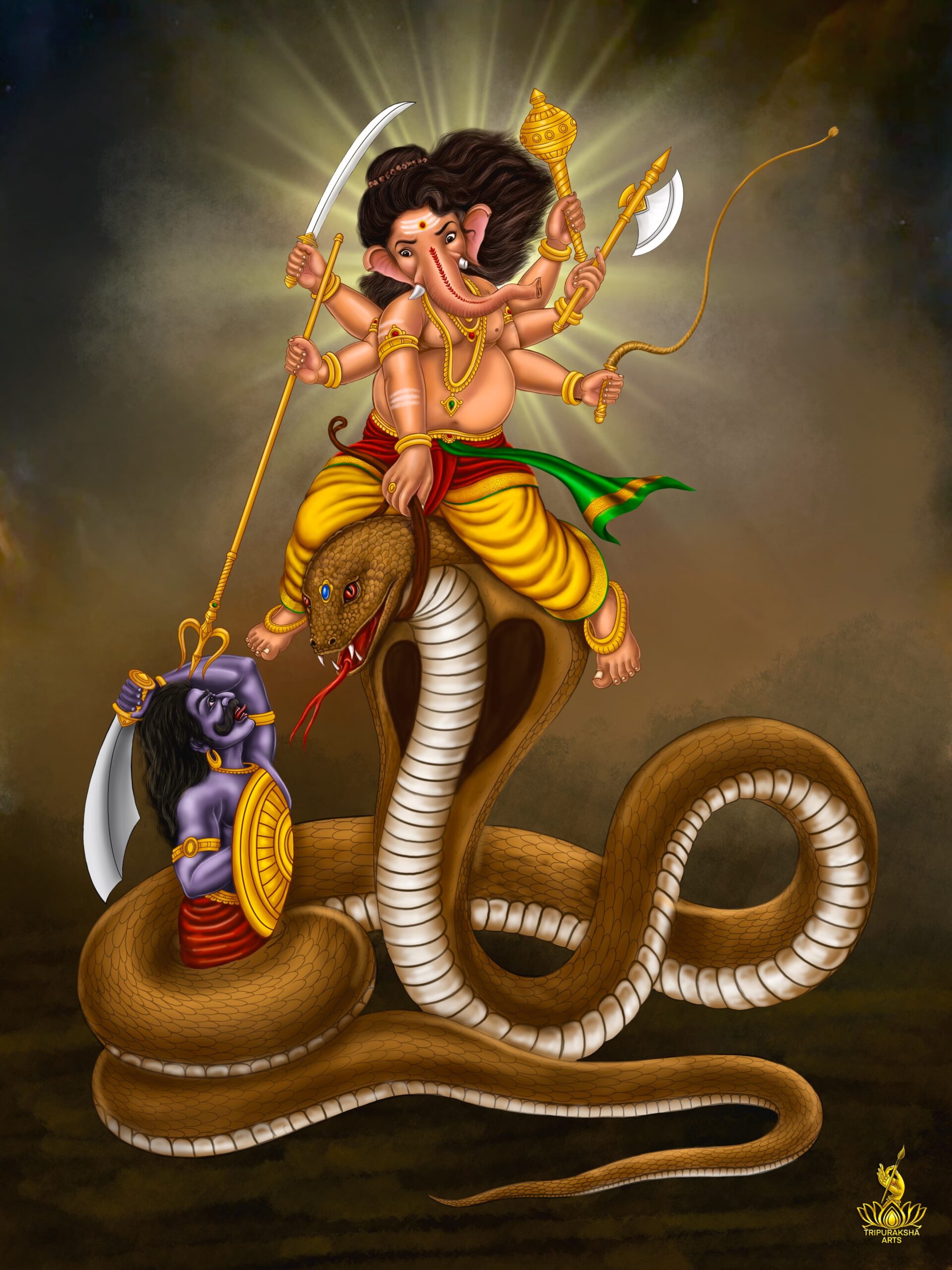
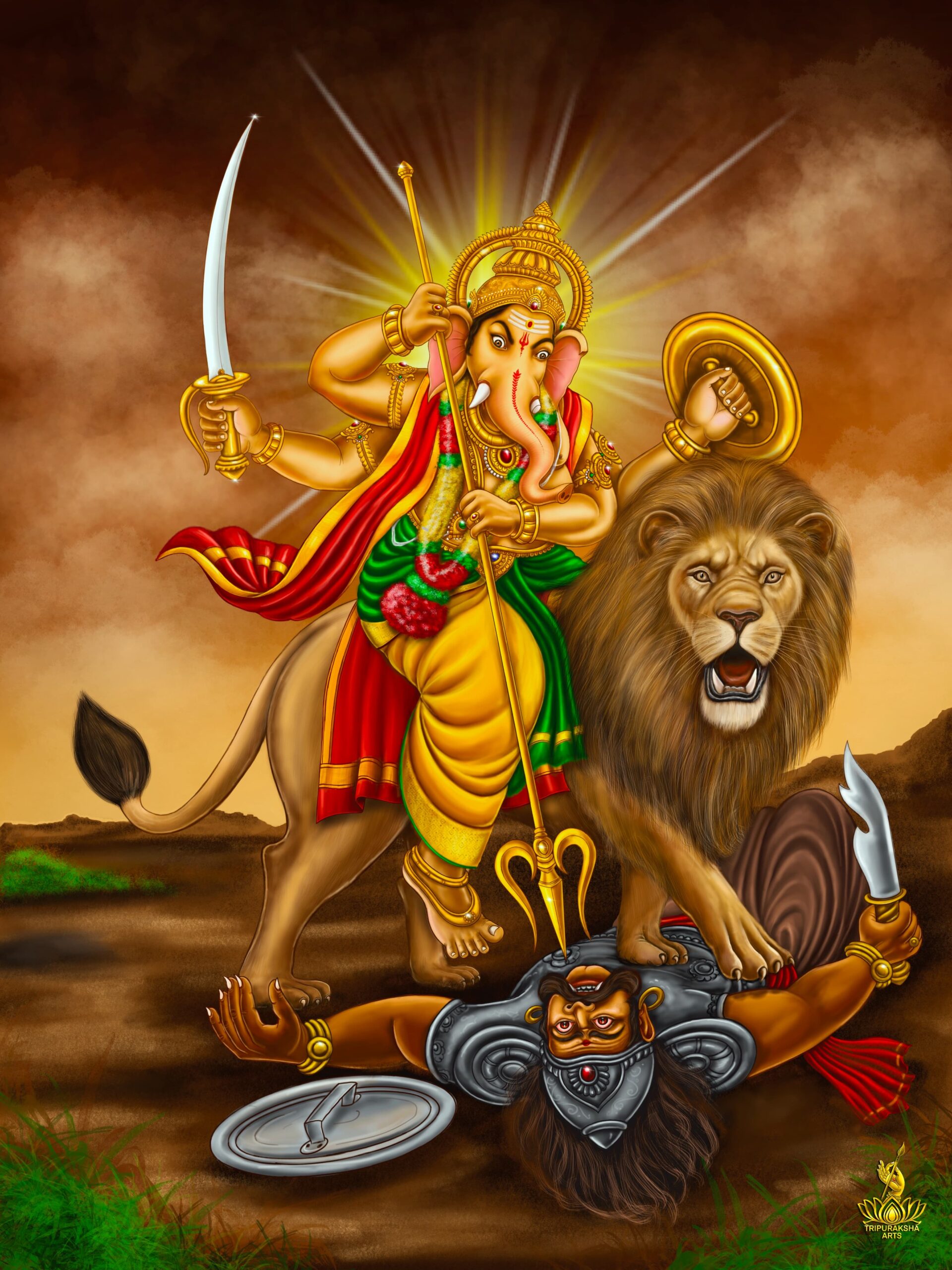
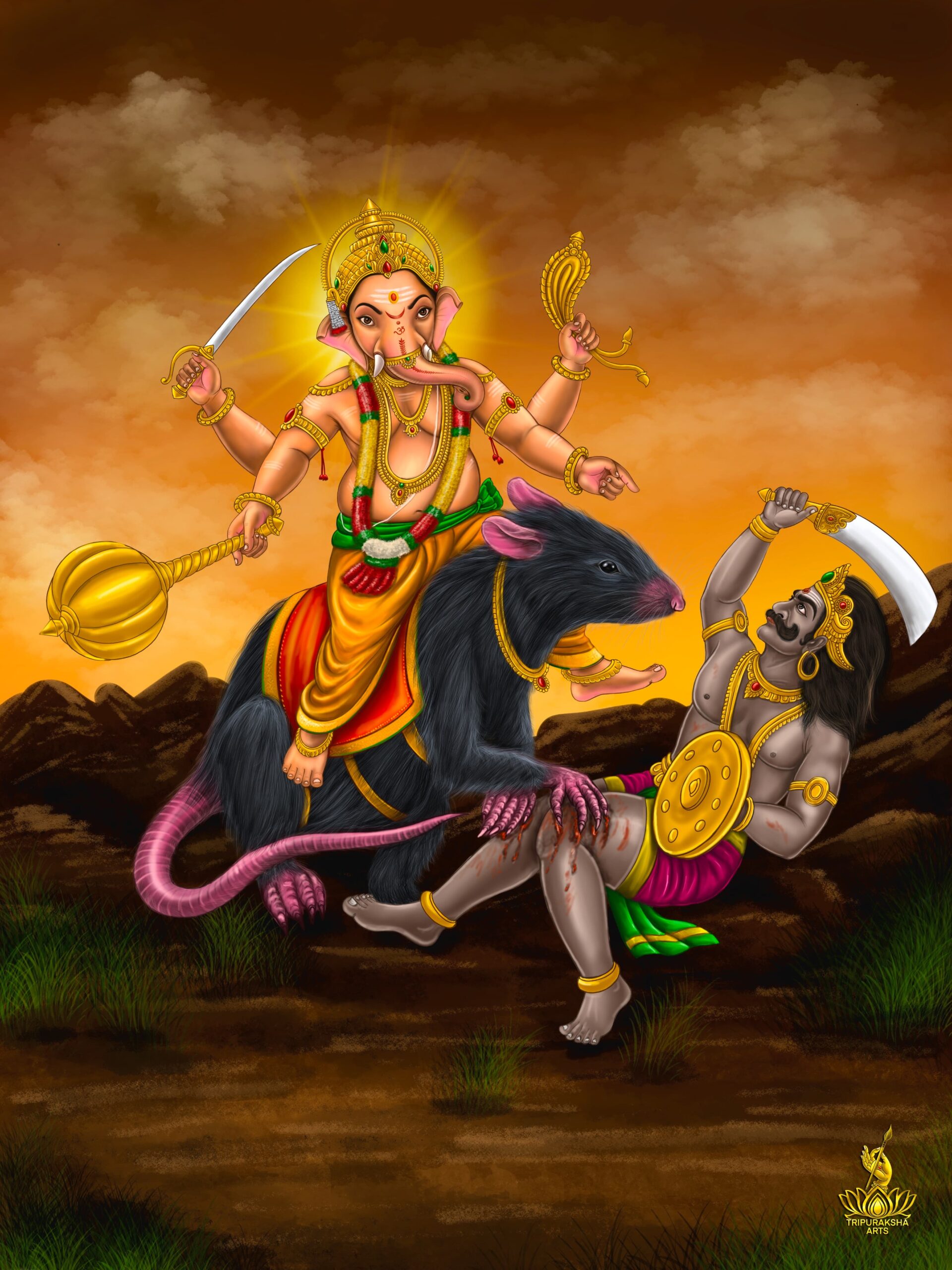
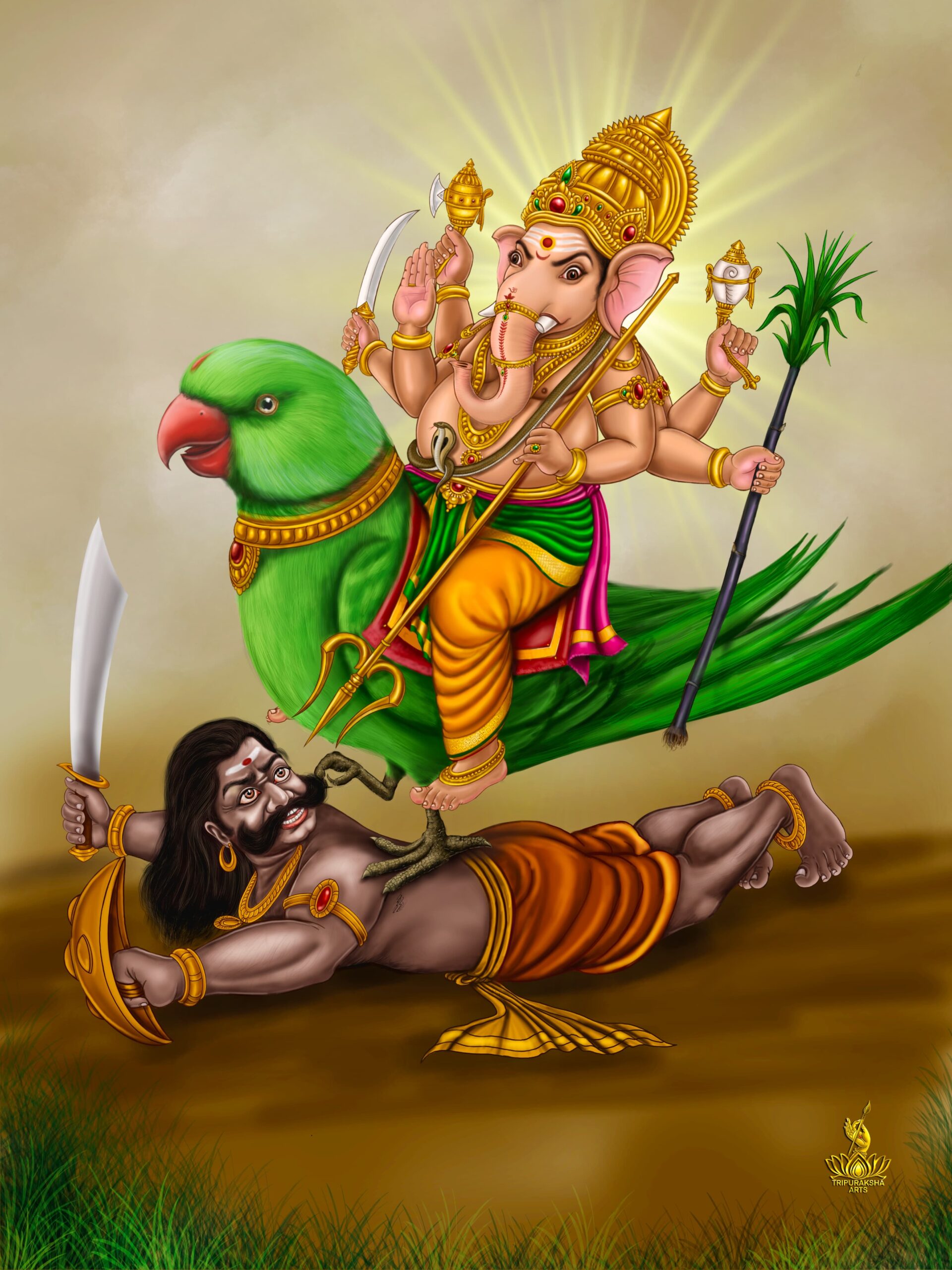
Ganeshotsav represents a confluence of spirituality, devotion and national consciousness, while encouraging people to overcome negative tendencies and embrace wisdom, humility and social harmony.
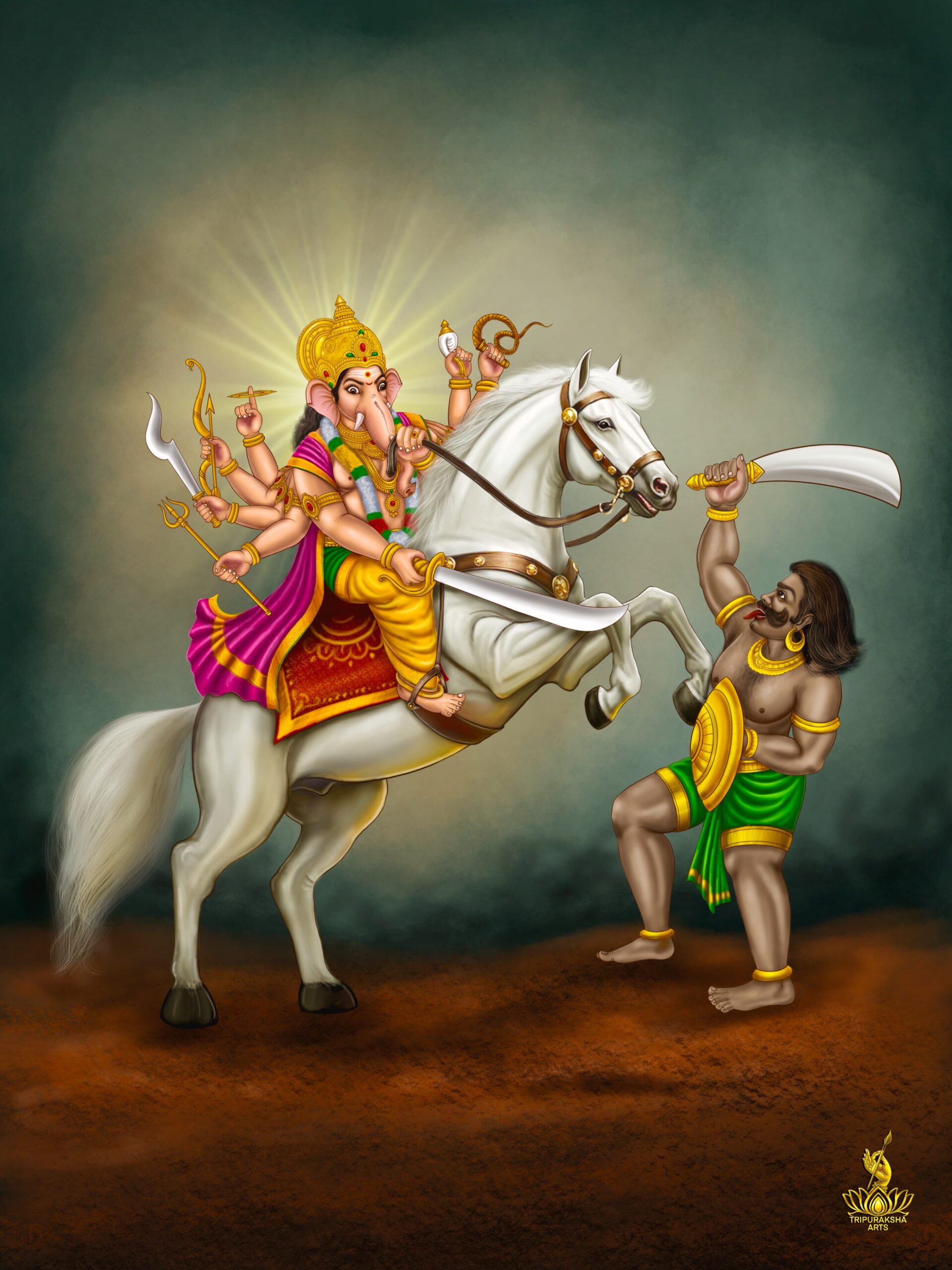
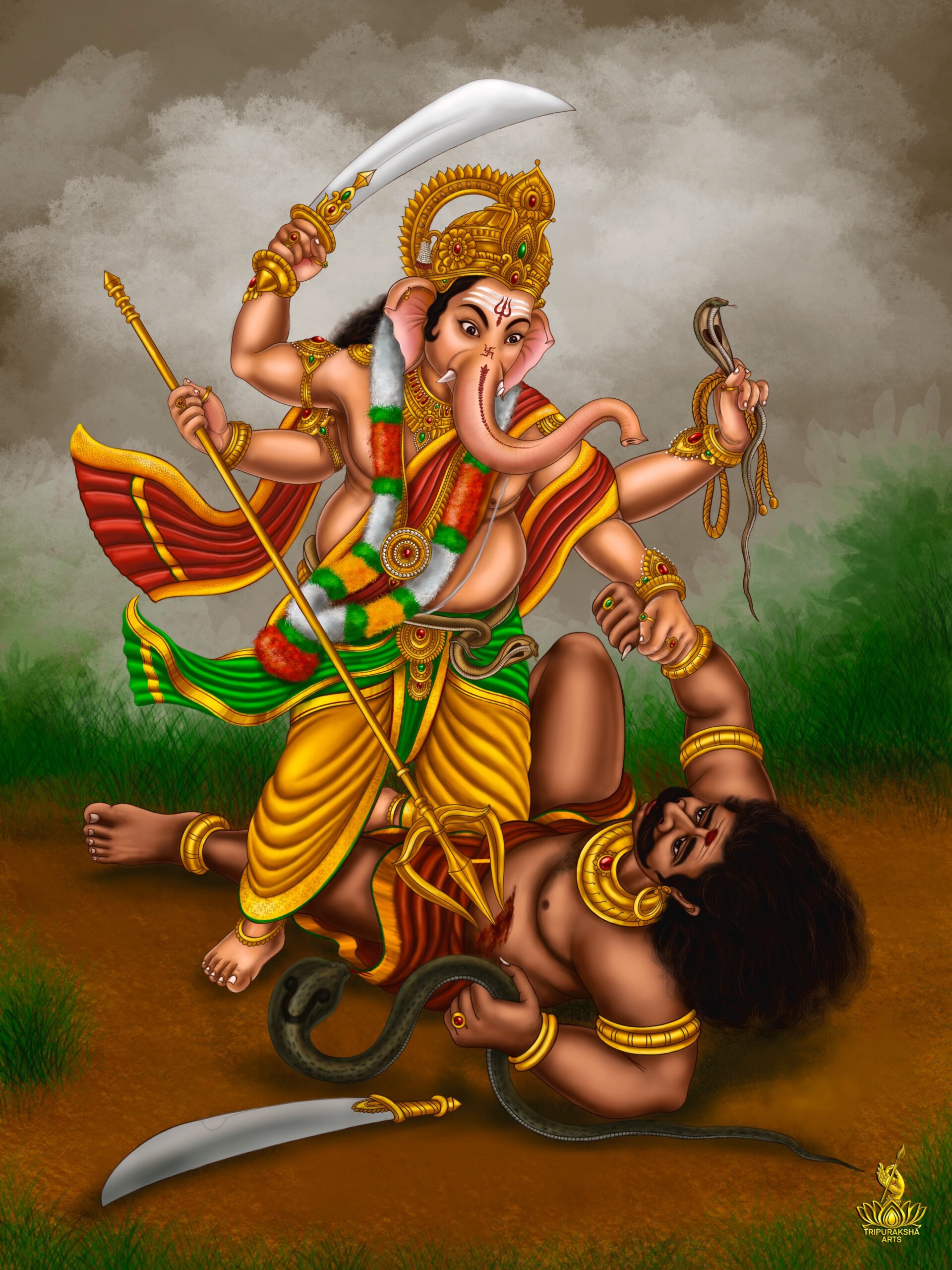
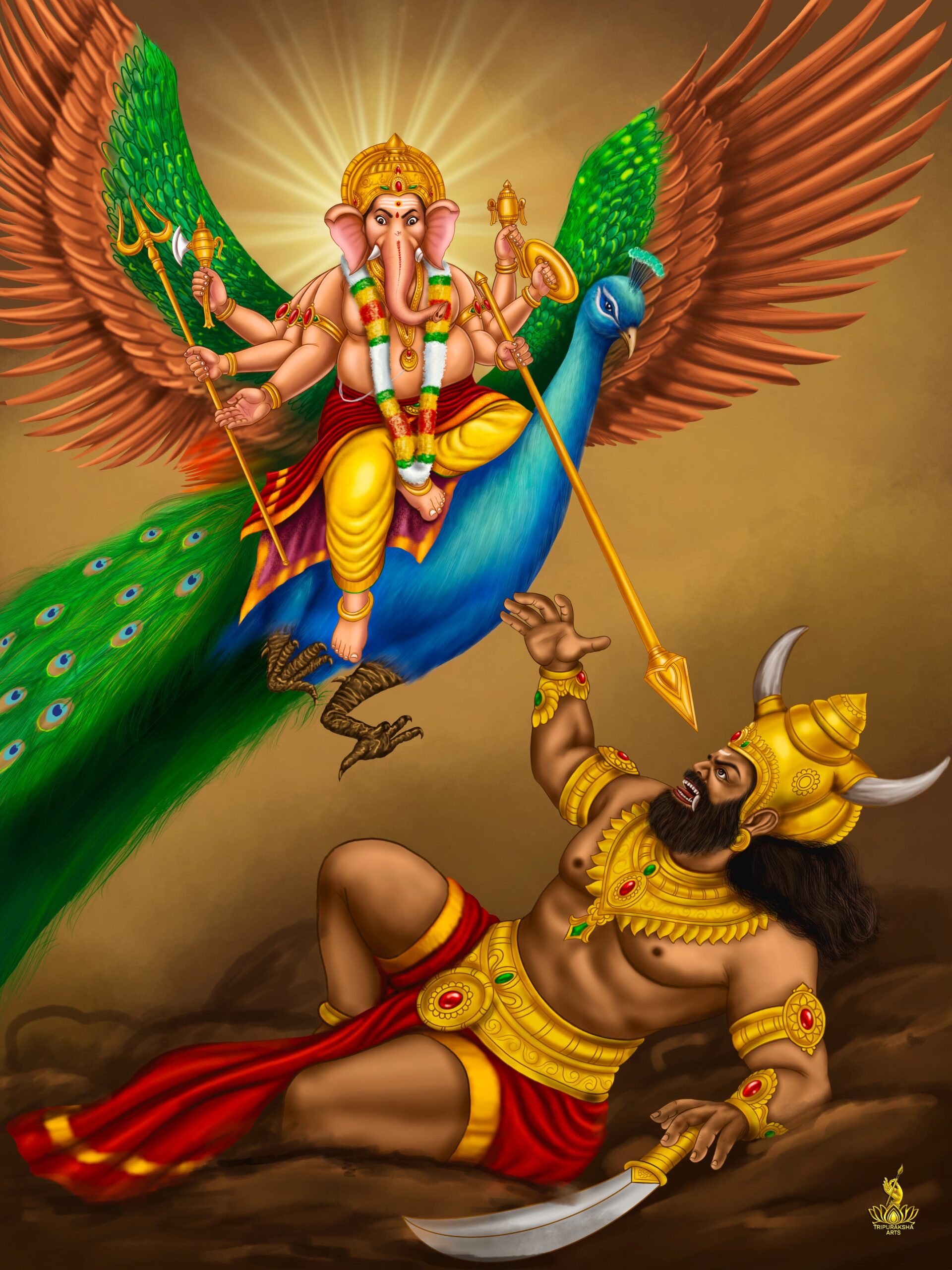
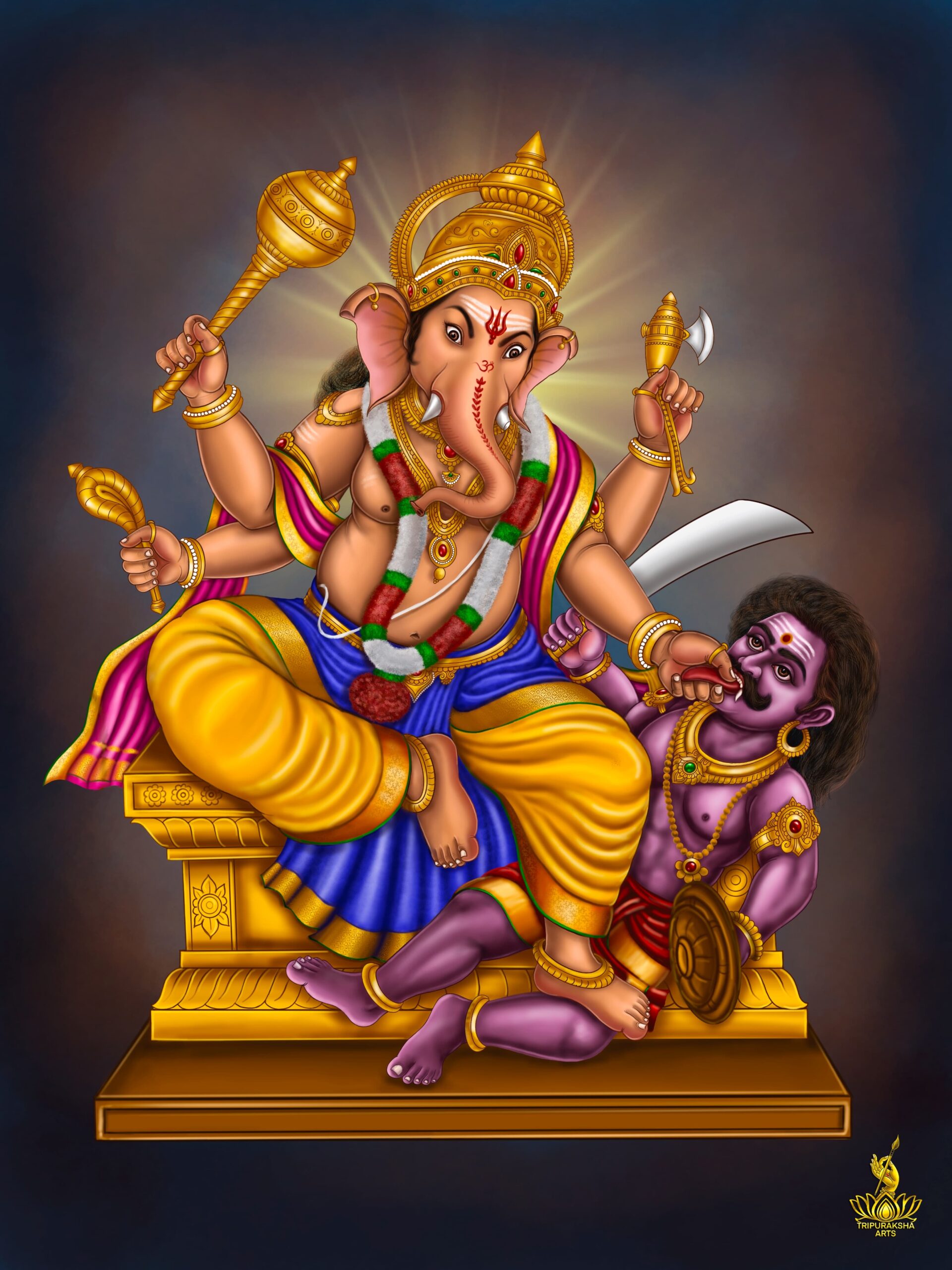
According to Hindu tradition, Lord Ganesha assumed eight forms to destroy eight demons symbolising jealousy, delusion, arrogance, greed, ego, anger, desire and obstruction.
These destructive traits are believed to have later entered human minds, causing rivalry, hatred, conflict and moral decline.
The festival is therefore observed as a spiritual effort to remove such tendencies. Devotees install eco-friendly clay idols of Ganesha outside homes, temples and institutions and offer prayers for several days.
The worship culminates in the immersion of the idol in the sea, a river or another flowing waterbody.
It is believed that sincere prayers during the festival enable devotees to surrender their negative emotions to Ganesha.
On the final day, they convey their wishes before taking the idol in a ceremonial procession for immersion. The ritual symbolises the return of the deity to nature and the dissolution of human suffering and negativity into the five elements.
Traditional offerings include kozhukatta, unniyappam and laddus.
Charity is also considered an important part of the observance. Providing food, clothes, books, cattle or land to the needy is regarded as more meaningful than conducting elaborate rituals without compassion.
Ganeshotsav is traditionally celebrated during the month of Bhadrapada.
References to Ganesha worship are found in Hindu mythology and the Mahabharata.
Tradition holds that Damayanti performed Ganesha worship following the advice of sage Sharabhanga, helping King Nala overcome his hardships.
The Pandavas are also believed to have worshipped Ganesha before going to war.
The festival later acquired a strong nationalist character. Chhatrapati Shivaji is associated with its public celebration, while freedom fighter Bal Gangadhar Tilak transformed Ganeshotsav into a mass movement during British rule.
Public gatherings held as part of the festival became platforms for promoting unity and resistance against colonial authority.
In Kerala, the Ganeshotsav Trust was established about 35 years ago under the leadership of M S Bhuvanachandran, and celebrations have continued annually.
The festival is open to everyone who believes in Ganesha, irrespective of caste or religion, and ultimately conveys a message of faith, unity, generosity and national solidarity.