Bengaluru, Aug 2
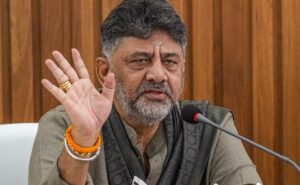
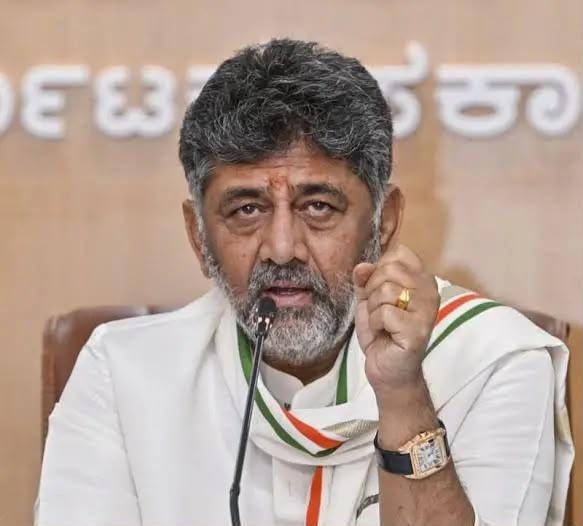
Karnataka Chief Minister D.K. Shivakumar on Sunday appealed to farmers and Kannada organisations to withdraw their proposed August 13 bandh against the release of Cauvery water to Tamil Nadu, assuring them that the State government would take all legal and administrative steps necessary to protect Karnataka’s interests.
Shivakumar made the appeal after chairing an all-party meeting convened to discuss the Cauvery situation following the Cauvery Water Management Authority’s (CWMA) direction to Karnataka to release 3,500 cusecs of water daily to Tamil Nadu for 15 days.
The Chief Minister said he would personally hold discussions with farmers, Kannada organisations and Opposition leaders to persuade them to call off the shutdown. Ministers would also reach out to the protesting groups and explain the government’s position.
Shivakumar said a bandh would disrupt schools, businesses and normal life without strengthening Karnataka’s case. He maintained that the government remained committed to protecting farmers and safeguarding the State’s legitimate share of Cauvery water.
Opposition parties had extended support to the government at the all-party meeting and offered several suggestions on handling the dispute, he said. The proposals would be examined in consultation with the State’s legal team before deciding on the next course of action.
Shivakumar said the government was also closely studying legal developments surrounding the Cauvery dispute, including the petition filed by the DMK in the Supreme Court.
With CWMA meetings likely to be held regularly, possibly every fortnight until January 2027, Karnataka needed to remain legally prepared to effectively present its case before the authorities, he said.
The Chief Minister said the combined inflow into the four major reservoirs in the Cauvery basin was nearly 68,000 cusecs on Sunday. However, inflows could decline as rainfall had receded in Kodagu and other catchment areas.
Karnataka would also have to preserve around 40 tmc ft of water, including nearly four tmc ft towards evaporation losses, to ensure sufficient drinking water supplies, Shivakumar said.