Thiruvananthapuram, August 25
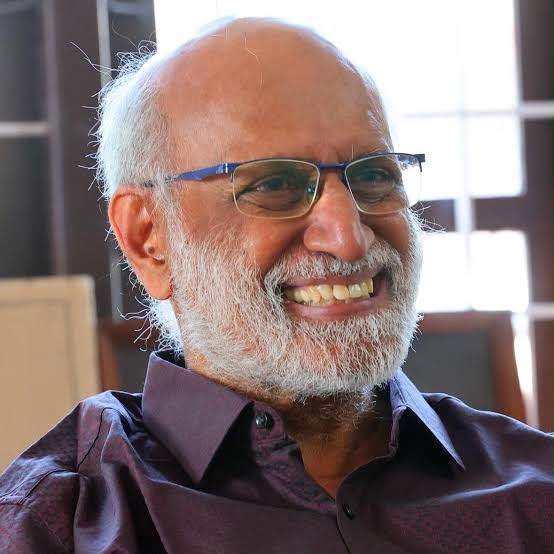
The V.D. Satheesan government has demonstrated during its first 100 days that it recognises Kerala’s pressing challenges and future opportunities, health expert and CPM fellow traveller Dr B. Ekbal has said.
In a Facebook post evaluating the government’s performance, Dr Ekbal said the administration had succeeded in generating hope and giving the public a sense of direction. However, its success would ultimately depend on whether its initial measures were transformed into sustainable policies supported by strong institutional mechanisms.
The government’s principal challenge would be to ensure the continuity of the newly introduced people-oriented programmes, he said. The initiatives should be institutionalised to prevent them from losing momentum and to ensure that their benefits reach the public over the long term.
Dr Ekbal also highlighted the shortage of adequate public facilities for women in Kerala. Although women constitute more than half of the elected representatives in local self-government institutions, the State still lacks sufficient safe and hygienic public toilets for them, he said. He urged the government to address the deficiency through focused and time-bound interventions.

He further called for an objective assessment of the functioning of Kerala’s local self-government institutions over the past three decades. Such a review should identify structural and administrative shortcomings and help develop a new operational model to improve their effectiveness, transparency and accountability.
While the government’s early initiatives had raised expectations of change, announcements alone could not be regarded as proof of achievement, Dr Ekbal cautioned. Performance should be judged by tangible outcomes and the lasting impact of policies on people’s lives.
Dr Ekbal gave the Satheesan government five marks out of 10 for its performance during the first 100 days. Its future record, he said, must be evaluated on the effectiveness, sustainability and institutional strength of its programmes, rather than the number of schemes or policy announcements it introduces.