Chennai, August 20
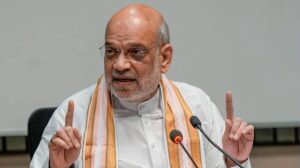
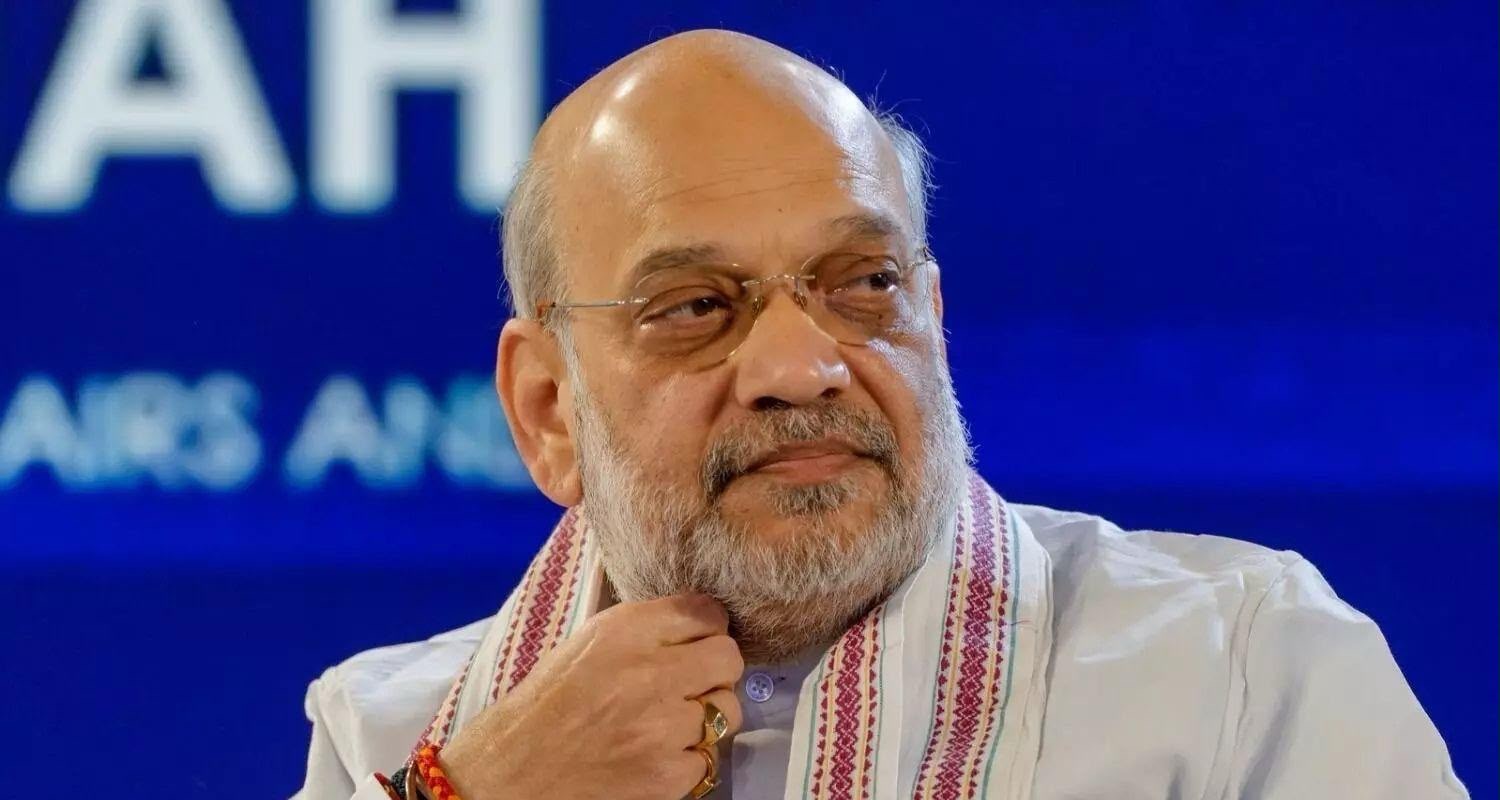
Union Home Minister Amit Shah is chairing the 31st Southern Zonal Council meeting at Kovalam, near Mamallapuram, on Thursday, with inter-State disputes, regional security and development issues expected to dominate the agenda.
Shah arrived in Chennai by a special aircraft from New Delhi around 9 p.m. on Wednesday. The council and its standing committee are meeting at a luxury hotel from 10.30 a.m. to 1.30 p.m. Shah heads the council, while Tamil Nadu Chief Minister C. Joseph Vijay is presiding over the standing committee.
The deliberations are expected to cover economic development, industrial investment, education, healthcare and cooperation among southern States. Proposals to establish special fast-track courts for cases involving sexual offences against women and children are also likely to be reviewed.
Politically sensitive issues, including the proposed delimitation of parliamentary constituencies, the Cauvery water-sharing dispute and Karnataka’s Mekedatu dam project, may be raised. The participating governments are also expected to review delayed infrastructure projects and measures to improve regional connectivity.
Security discussions are likely to focus on intelligence sharing, drug trafficking, coastal surveillance and coordination during natural disasters. Fisheries concerns and the implementation of centrally sponsored welfare schemes may also figure in the session.
Tamil Nadu is expected to raise the recent border shooting in which three men from the State were allegedly killed by Karnataka forest personnel. The State government has sought a detailed investigation and action against those responsible.
Andhra Pradesh Chief Minister N. Chandrababu Naidu, Karnataka Chief Minister D.K. Shivakumar, Kerala Chief Minister V.D. Satheesan and Telangana Deputy Chief Minister Mallu Bhatti Vikramarka are attending the meeting.
Puducherry Lieutenant Governor K. Kailashnathan, representatives of the Andaman and Nicobar Islands and Lakshadweep, chief secretaries and senior officials are also participating. Officials said the council provides an institutional platform for resolving disputes through dialogue and strengthening Centre-State cooperation.