By M.S. Sanil Kumar
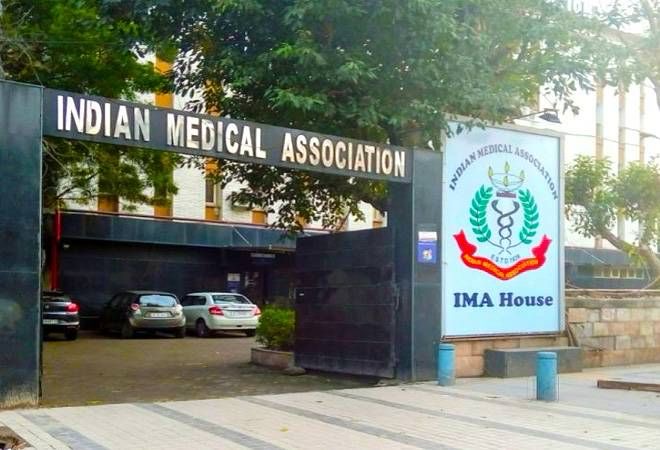
Thiruvananthapuram: Kerala’s biomedical waste management system is heading towards a major crisis, with the Indian Medical Association (IMA) warning that the state’s existing infrastructure is no longer capable of handling the rapidly growing volume of waste generated by hospitals, laboratories and other healthcare institutions.
The warning comes as IMA’s IMAGE (Indian Medical Association Goes Eco-friendly) project, which manages biomedical waste from nearly 24,000 healthcare-related establishments across Kerala, struggles to cope with increasing demand. IMAGE has now temporarily halted registration of new institutions and is also preparing to suspend the collection of sanitary waste from schools, colleges, hostels, orphanages and households.
At present, biomedical waste generated across Kerala—from Kasaragod to Thiruvananthapuram—is largely processed at a single IMAGE treatment facility at Kanjikode in Palakkad. The plant has a maximum processing capacity of 55.8 tonnes per day.
When the IMAGE project was launched in 2004, Kerala had far fewer hospitals, diagnostic laboratories and allied healthcare facilities. Over the past 22 years, however, the number of such institutions has increased manifold, resulting in a sharp rise in biomedical waste generation. Despite this growth, no major expansion of treatment infrastructure has taken place.
Recognising the impending crisis, the IMA purchased three acres of land in Adoor and proposed establishing a second biomedical waste treatment plant. However, the project became mired in controversy after local political groups and activists opposed the facility, alleging that it would cause environmental pollution. According to IMA officials, these concerns were based on misinformation, and sustained opposition has prevented construction from even beginning.
IMA leaders argue that the delay has pushed the state’s biomedical waste management system to the brink. IMAGE State Secretary Dr P.V. Krishnakumar said the existing plant cannot expand its capacity sufficiently to meet current waste volumes. As a result, new healthcare establishments are unable to obtain registration under the system, leaving many institutions struggling to find legally compliant waste disposal solutions.
Apart from biomedical waste, IMAGE currently collects eight to nine tonnes of sanitary waste every day from households, educational institutions and hostels. Owing to the mounting pressure on the treatment facility, this service is also being suspended temporarily.
IMA representatives recently informed the Kerala State Pollution Control Board about the situation. They have requested support for setting up a dedicated incinerator for sanitary waste, which would allow collection services to resume. The Board has reportedly assured the association that the proposal would be examined.
The organisation noted that earlier attempts to establish additional treatment plants in Brahmapuram and Palode had also failed due to local and administrative hurdles. Land was acquired and significant investments were made, but the projects could not move forward.
IMA officials recently held discussions with Health Minister K. Muraleedharan and Environment Minister Sunny Joseph regarding the crisis. They cautioned that unless urgent decisions are taken to expand treatment capacity and establish new facilities, Kerala could soon face a serious public health challenge, with biomedical and sanitary waste accumulating beyond the system’s ability to manage it safely.